Imran Khan: A Journey from Cricket Hero to Political Firebrand
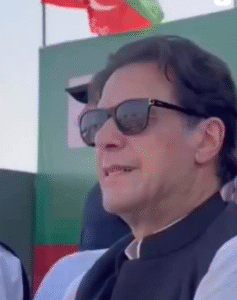
Imran Khan’s name conjures images of cricketing glory, founding a new political narrative, and polarizing public opinion. Imran Khan has worn many hats — sportsman, philanthropist, politician — and his life continues to stir debate in Pakistan and beyond.
In this article, we’ll trace his early years, cricketing successes, political ascent, controversies, and lasting legacy.
Early Life and Cricket Beginnings
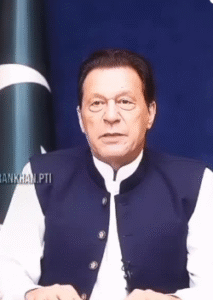
Imran Ahmed Khan Niazi was born on 5 October 1952 in Lahore, into a Pashtun family with roots in Mianwali. Wikipedia+2Jagranjosh.com+2
He studied in Lahore at Aitchison College and Cathedral School, and then traveled to England, attending Royal Grammar School Worcester. IKCA+3Pakistan Tehreek-e-Insaf+3Encyclopedia Britannica+3
Imran later enrolled at Keble College, Oxford, studying Philosophy, Politics and Economics. Wikipedia+2Pakistan Tehreek-e-Insaf+2
He played cricket for Oxford University during his time there, honing his skills among international peers. IKCA+3Pakistan Tehreek-e-Insaf+3Encyclopedia Britannica+3
Back in Pakistan, Imran’s cricket career accelerated. He debuted for the national team in the early 1970s and steadily matured into a top all-rounder. Encyclopedia Britannica+2Wikipedia+2
Cricket Stardom and 1992 World Cup Glory
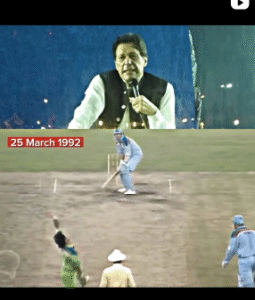
During the 1980s and early 1990s, Imran Khan became Pakistan’s face in international cricket. Encyclopedia Britannica+2Wikipedia+2
He captained the national side and, most memorably, led Pakistan to its first and only Cricket World Cup victory in 1992. Encyclopedia Britannica+1
That win elevated him to almost legendary status in the country — not just for his athletic skills, but for his leadership under pressure.
His cricket fame gave him a platform, but his ambitions were not confined to sports.
From Athlete to Philanthropist
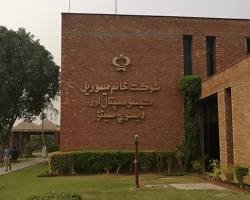
Even before entering politics, Imran Khan engaged in philanthropic work. He founded the Shaukat Khanum Memorial Cancer Hospital & Research Centre in memory of his mother, raising millions to build Pakistan’s first modern cancer hospital. Encyclopedia Britannica+3Wikipedia+3IKCA+3
He also launched the Namal College in Mianwali, furthering educational access in less developed regions. Wikipedia
These ventures bolstered his image as a leader who cared about social development and public welfare.
Political Beginnings and the Rise of PTI
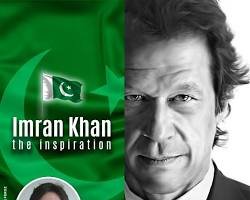
In April 1996, Imran Khan founded the political party Pakistan Tehreek-e-Insaf (PTI) — “Movement for Justice.” Wikipedia+2Pakistan Tehreek-e-Insaf+2
For many years, PTI struggled as a minor party. In the 1997 general election, Imran lost both of his contested constituencies. Wikipedia+2Pakistan Tehreek-e-Insaf+2
Gradually, his message against corruption and dynastic politics struck a chord, especially with youth and urban middle classes.
By 2013, PTI emerged as a strong political force, becoming the second-largest party by popular vote. Wikipedia+1
Prime Ministership (2018–2022)
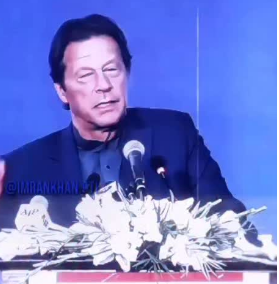
In the 2018 elections, Imran Khan assumed office as the 19th Prime Minister of Pakistan. IKCA+3Wikipedia+3Encyclopedia Britannica+3
He inherited massive economic challenges: growing fiscal deficits, inflation, and balance of payments pressures. Wikipedia
His government launched several welfare and infrastructure initiatives — Ehsaas Program, Plant for Pakistan, and expanded healthcare subsidies. Wikipedia+1
He also emphasized austerity: cutting government expenditure and publicly disposing of luxury items. Wikipedia+2Encyclopedia Britannica+2
Yet his tenure was mired by criticism. Inflation persisted, exports lagged, and external debt grew.
: Challenges in Governance

-
Energy shortages, rising electricity prices, and subsidies pressured household budgets.
-
Some accused him of sidelining political opponents under the guise of anti-corruption.
-
Relations with the powerful military and bureaucracy remained complex and at times tense.
In April 2022, Imran Khan became the first prime minister in Pakistan’s history to be ousted via a no-confidence vote. Wikipedia+1
Legal Battles, Imprisonment & Controversies
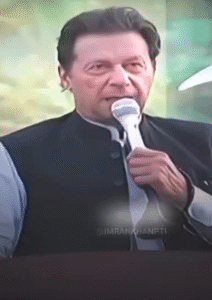
After losing power, Imran Khan faced a slew of legal challenges and charges.
In October 2022, the Election Commission disqualified him for a term over a case involving state gifts (Toshakhana). Wikipedia+1
He survived an assassination attempt in November 2022 at a rally. Wikipedia+1
In 2023 and beyond, he was arrested on corruption charges. In January 2025, he received a 14-year prison sentence in a high-profile land corruption case. The Guardian+2Reuters+2
These events polarize opinion: supporters call them politically motivated, while critics argue accountability must apply to all leaders.
: Acquittals & Ongoing Legal Status
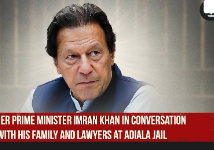
In mid-2024, an appeals court acquitted Khan in the so-called “cipher case,” but he remained in prison due to other pending convictions. AP News
He and his wife, Bushra Bibi, have also been sentenced in a controversial “un-Islamic marriage” case — seen by many as politically timed. The Guardian
The legal saga continues, fueling mass protests and deep divides in Pakistani politics.
Ideology, Influence & Criticism
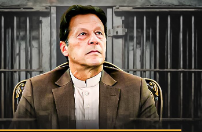
Imran Khan’s narrative emphasizes anti-corruption, welfare state, and populist outreach.
He casts himself as a break from traditional elite politics and champions a “new Pakistan.” His emphasis on Islamic values and accountability resonated with many.
Yet critics argue that his policies sometimes leaned toward neoliberalism, especially when dealing with IMF bailouts and austerity measures. Wikipedia+2Encyclopedia Britannica+2
He has also been accused of suppressing opposition, using state institutions politically, and oversimplifying complex governance issues.
Even within PTI, internal dissent and accusations of over-centralized control emerged.
Legacy and What Comes Next
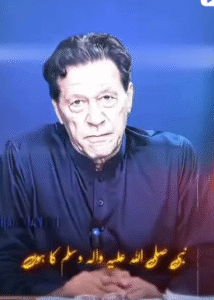
Even in incarceration, Imran Khan remains a powerful political symbol.
His leadership redefined how many Pakistanis view politics — as something that ordinary citizens can influence beyond dynastic lines.
Yet his legacy will be debated: was he a visionary reformer, or someone whose bold rhetoric outpaced deliverables?
👉 You can also read: [Link to page on “PTI Party history”]
👉 Reference: Wikipedia (for biographical overview) Wikipedia
Conclusion: Imran Khan — A Figure of Enduring Relevance
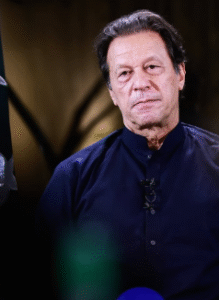
Imran Khan’s story is far from simple. From cricket superstar to premier to prisoner, he remains central to Pakistan’s political drama.
His rise challenged norms; his governance triggered both praise and criticism; and his trials have cemented his status as a polarizing but undeniably influential leader.
Whether history will look upon Imran Khan as a reformer, a populist, or something in between, only time will tell — but his imprint on Pakistan is indelible.