Introduction
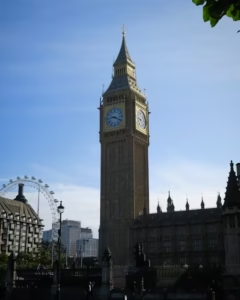
London, the capital city of the United Kingdom, is one of the most dynamic, historical, and influential cities in the world. Known for its rich heritage, iconic landmarks, and modern urban energy, London beautifully blends the old with the new.
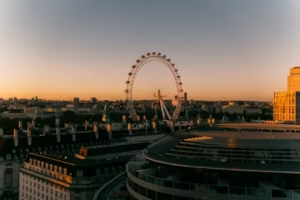
From the royal palaces and world-class museums to thriving finance districts and multicultural neighborhoods, this city truly represents the heart of British identity.
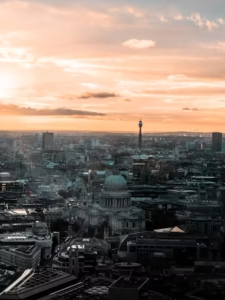
London is not only a political and economic powerhouse but also a cultural center that attracts millions of visitors every year.
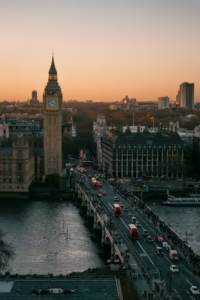
It’s a city where every street tells a story from the Roman ruins beneath the surface to the modern skyscrapers touching the sky.
History of London — When and Who Made It Capital
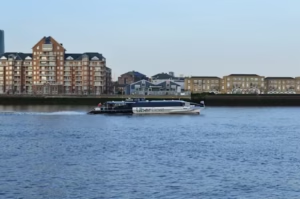
The history of London dates back to around AD 47, when the Romans founded a settlement called Londinium on the banks of the River Thames. This location was chosen because of its easy access to the sea and its strategic position for trade and defense.
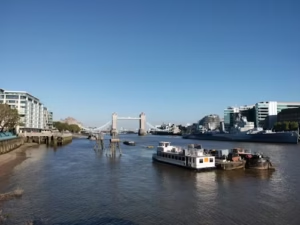
By the 2nd century, Londinium had become a bustling Roman city and one of the most important centers in Britain. However, after the fall of the Roman Empire, much of the city was destroyed by invasions.
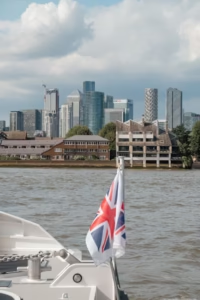
It wasn’t until the 9th century that London began to rise again. During the reign of King Alfred the Great, the city was rebuilt and fortified. He is often credited as one of the key figures who helped restore London’s importance.
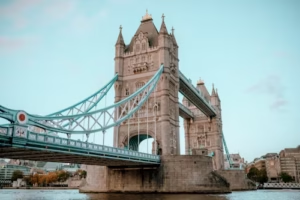
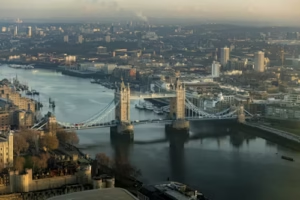
In 1066, after the Norman conquest led by William the Conqueror, London officially became the capital of England. William built the Tower of London as a symbol of his power, and it remains one of the city’s most famous landmarks to this day.
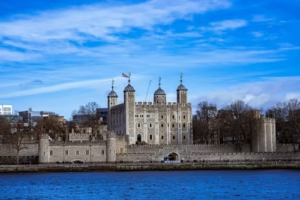
Since then, London has been the center of British political, economic, and cultural life. Through the centuries — from the medieval ages to the industrial revolution and modern era — London has continuously evolved, surviving plagues, fires, wars, and rebuilding itself stronger each time.
Famous Places in London
London is home to some of the most recognizable and visited landmarks in the world. Each site reflects a part of the city’s long history and diverse culture. Here are a few must-see places:
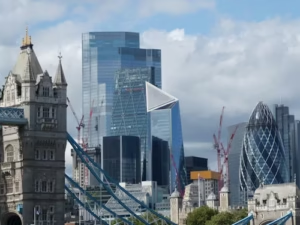
1. The Tower of London
Built by William the Conqueror in 1078, this fortress has served as a royal palace, prison, and treasury. Today, it’s famous for housing the Crown Jewels and centuries of royal history.
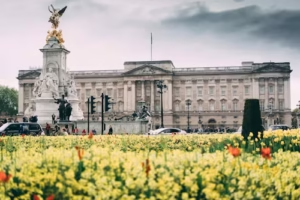
2. Buckingham Palace
The official residence of the British monarch and one of the most visited attractions in the UK. Visitors gather daily to witness the Changing of the Guard ceremony — a tradition symbolizing British heritage.
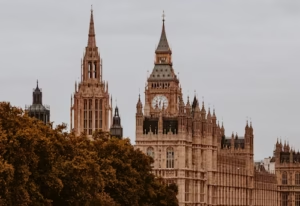
3. The Houses of Parliament & Big Ben
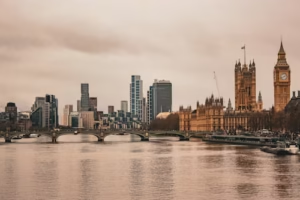
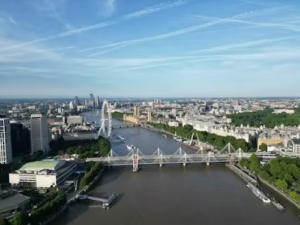
Located along the River Thames, the Palace of Westminster is the seat of the UK Parliament. The clock tower, popularly known as Big Ben, is one of London’s most iconic images.
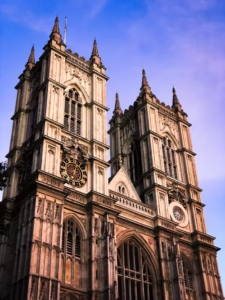
4. Westminster Abbey
This magnificent Gothic church has been the site of royal coronations since 1066. It’s also the final resting place for monarchs, poets, scientists, and other British icons.
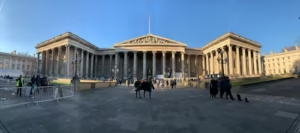
5. The British Museum
One of the largest and most comprehensive museums in the world, the British Museum houses millions of artifacts representing human history, art, and culture.
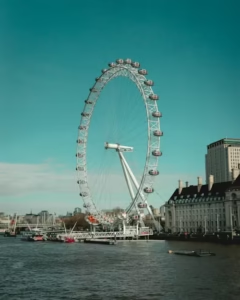
6. The London Eye
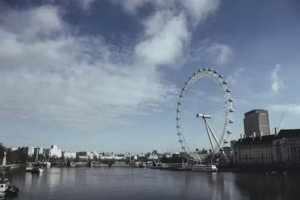
Opened in 2000, this giant Ferris wheel offers panoramic views of London’s skyline. It has become a modern symbol of the city’s innovation and tourism.
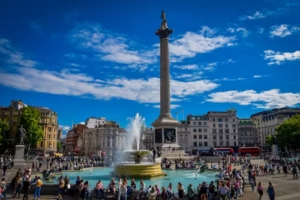
7. Trafalgar Square
A lively public square dedicated to the victory of the British Navy in the Battle of Trafalgar (1805). The centerpiece is Nelson’s Column, surrounded by fountains and statues.
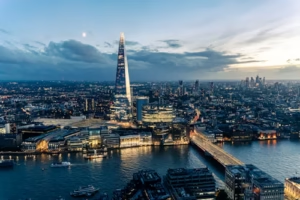
8. The Shard
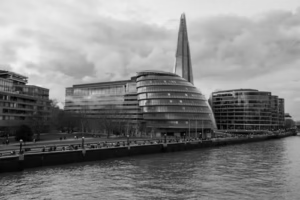
Standing at 310 meters, The Shard is the tallest building in the UK and a symbol of modern London. It offers breathtaking views of the entire city.
Modern London — Culture, Economy, and Lifestyle
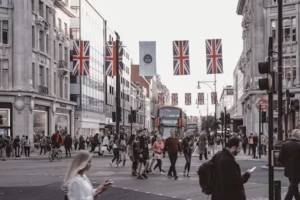
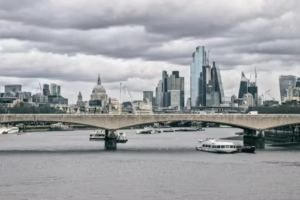
London is a global hub for finance, technology, education, fashion, and art. The City of London (the financial district) is home to major global banks and corporations. Meanwhile, Canary Wharf represents modern business development.
The city is a melting pot of cultures — more than 300 languages are spoken here. From South Asian curries in Brick Lane to Caribbean dishes in Brixton, and Middle Eastern flavors in Edgware Road, London’s food scene is a true reflection of its diversity.
In terms of education, the city hosts some of the world’s top universities, such as University College London (UCL), Imperial College London, and the London School of Economics (LSE).
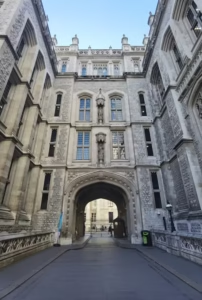
London is also one of the greenest capitals in the world, with large parks like Hyde Park, Regent’s Park, and Richmond Park offering peaceful escapes in the middle of the bustling city.
Current Leadership of the United Kingdom (2025)

As of 2025, the key leadership positions in the United Kingdom are as follows:
-
Prime Minister: Rishi Sunak
-
Monarch (Head of State): King Charles III
-
Army Chief (Chief of the General Staff): General Sir Patrick Sanders
-
Chief Justice (Lord Chief Justice of England and Wales): The Right Honourable Lord Burnett of Maldon
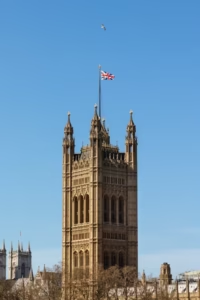
These leaders represent the political, constitutional, and military strength of the UK, with London as the central hub for all major decisions.

London’s Role in the World
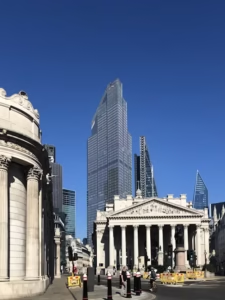
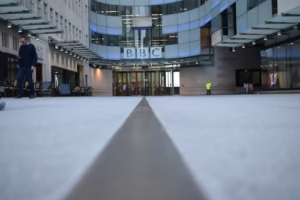
London is not just the capital of the UK; it’s one of the most influential cities on Earth. It ranks among the top global cities alongside New York, Tokyo, and Paris. The London Stock Exchange, BBC, British Parliament, and numerous international organizations make it a center of global activity.
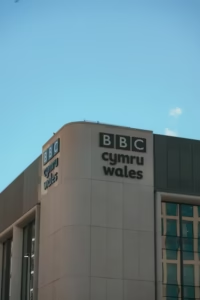
The city hosts millions of tourists and professionals every year, contributing billions to the UK’s economy. Its influence in fashion, media, art, and technology continues to grow, keeping London at the forefront of innovation.
Interesting Facts About London
-
London has more than 170 museums and 300 art galleries.
-
The River Thames runs through the heart of the city for 346 km.
-
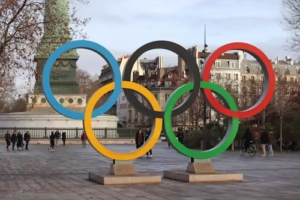
London has hosted the Olympic Games three times: 1908, 1948, and 2012.
-
The Underground (Tube) is the oldest metro system in the world, opened in 1863.
-
More than 8 million people live in Greater London.
Challenges of Modern London
While London shines as a global capital, it also faces challenges like high living costs, housing shortages, and traffic congestion. Air pollution and overcrowding are ongoing issues the government continues to address.
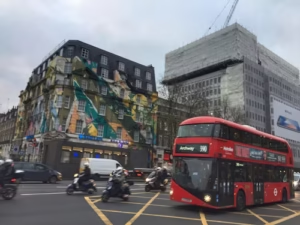
However, despite these challenges, London remains a city of hope, opportunity, and progress where history meets the future.
My Experience/View
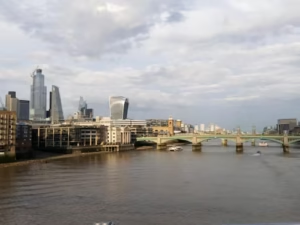
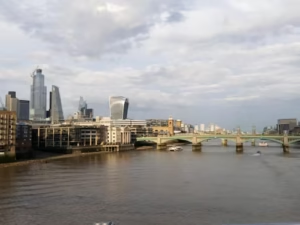
In my view, London stands out as a city unlike any other. Its ability to preserve its royal history while embracing modern innovation makes it truly unique. Walking along the River Thames, you feel the heartbeat of centuries — from ancient bridges to futuristic skyscrapers.
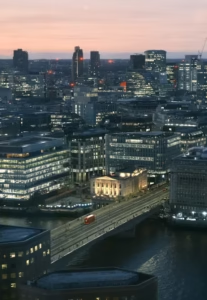
The city’s energy, diversity, and creativity inspire everyone who visits. Whether you’re exploring the grandeur of Buckingham Palace or enjoying a cup of tea in a local café, London has a charm that’s both royal and relatable.
It’s not just a capital; it’s a living museum, a cultural hub, and a beacon of progress that continues to influence the world.
Conclusion
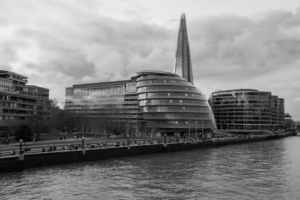
London’s story is one of resilience, transformation, and timeless beauty. From its Roman origins to becoming the center of a global empire, and now a leading modern metropolis London remains a symbol of strength, elegance, and global leadership.
Every corner tells a tale, every monument echoes history, and every citizen adds to its vibrant soul. London continues to evolve, yet it never forgets its roots.
For travelers, learners, and dreamers alike, London is not just a destination — it’s an experience that stays with you forever.
обслуживание бойлера https://servis-vodonagrevateley-msk.ru/
ремонт водонагревателей москва https://remont-boyler-na-domu.ru/